Health, Safety & Lead-Paint Management

Professional painting begins with a safe, well-managed worksite.

Safe practices. Careful preparation. Quality results.

At 07Paint4Me Ltd, protecting our customers, employees, contractors, neighbouring properties and the environment is an important part of every house-painting project.

Painting work can involve working at height, surface-preparation dust, water blasting, chemicals, electrical hazards and access around occupied homes. We identify these risks before work begins and put practical controls in place for the particular property and work being completed.

Our team follows documented health-and-safety procedures supported by BWARE health-and-safety management software. Site conditions are monitored throughout each project, and safety arrangements may be adjusted when the work, weather or surrounding environment changes.

  • Planning Each Painting Project

    Before starting work, we assess the property, proposed painting process and any foreseeable risks. Depending on the project, our planning may consider:

    • Access to the work areas

    • Ladders, scaffolding and other height-access equipment

    • Roof pitch, condition and fall risks

    • Overhead or nearby electrical services

    • Residents, visitors, children and pets

    • Vehicles, paths, gardens and neighbouring properties

    • Surface-preparation dust and paint debris

    • Water blasting, cleaning products and paint materials

    • Weather, wind and drying conditions

    • The possible presence of lead-based paint or other hazardous materials

    Our painters receive instructions relevant to the work being undertaken. Any significant new hazard identified during the project is assessed before the affected work continues.

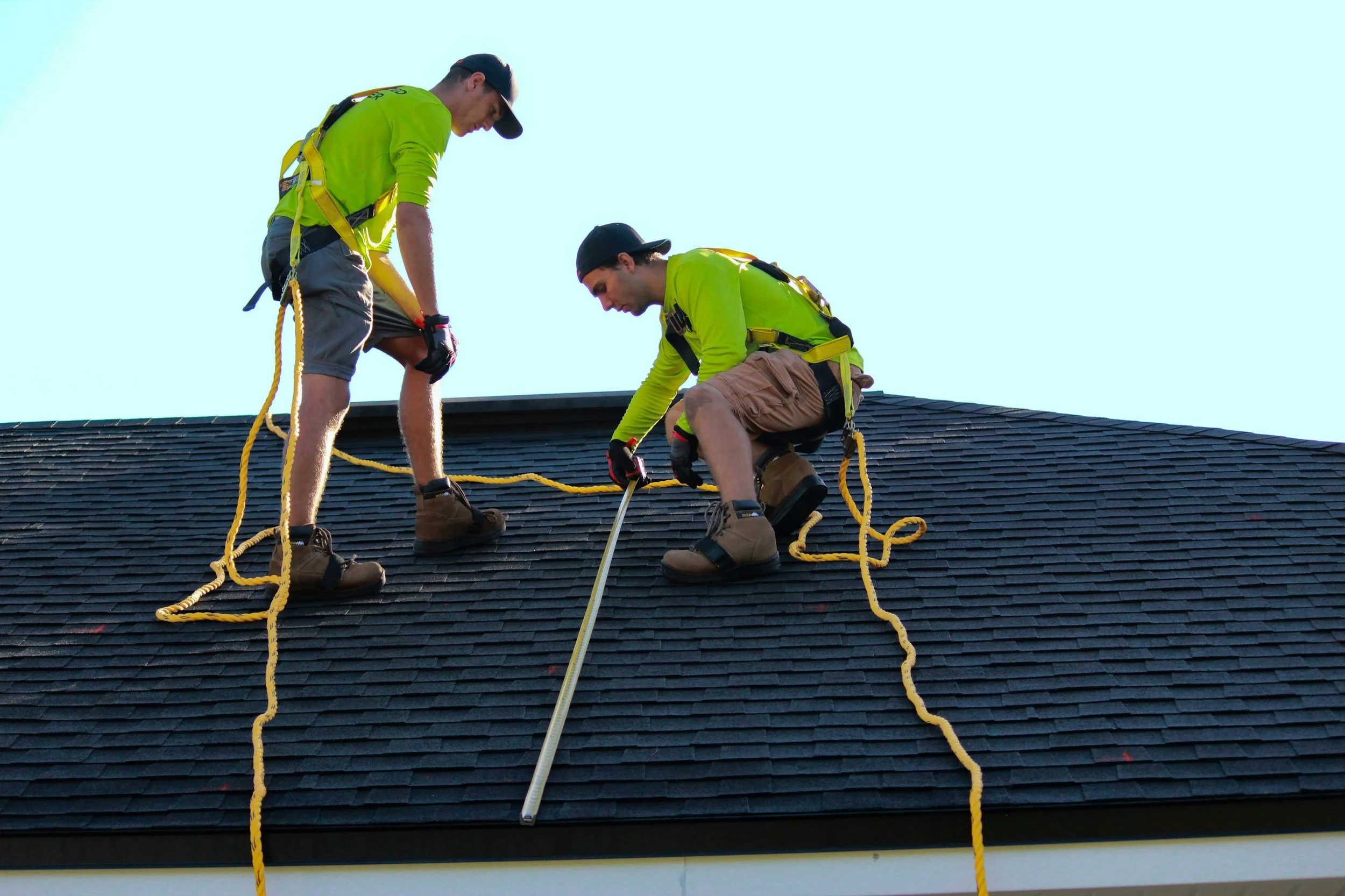
  • Working Safely at Height

    Exterior and roof painting frequently requires work above ground level. We select access and fall-protection measures that are appropriate for the height, duration, location and level of risk involved.

    These measures may include correctly positioned ladders, mobile work platforms, scaffolding, temporary roof anchors or other suitable fall-protection systems. Access equipment is inspected before use, and exclusion areas may be established to help protect customers and members of the public below the work area.

    If weather or site conditions make height work unsafe, that part of the project may be postponed until conditions improve.

  • Protecting Your Home and Property

    Health and safety also includes protecting your property and maintaining an orderly worksite.

    Before preparation or painting begins, we identify areas requiring protection. Depending on the work, we may use drop sheets, masking materials, protective coverings and controlled work zones to protect floors, furnishings, paths, roofing, vehicles, gardens and nearby surfaces.

    Work areas are kept as tidy as reasonably practicable, and tools and materials are stored safely. Customers are informed about access restrictions or other precautions that may affect how parts of their home or property can be used while work is underway.

  • Managing Paints, Cleaning Products and Dust

    Our team follows the relevant product instructions and safety information for paints, primers, solvents, cleaning products and surface treatments used on each project.

    Suitable personal protective equipment is selected according to the task. This may include protective clothing, gloves, eye protection, hearing protection and respiratory protection.

    We also consider how dust, wash water, paint flakes and other preparation debris will be controlled. The exact controls depend on the surface condition, preparation method, property layout and surrounding environment.

  • Suspected Lead-Based Paint

    Older New Zealand homes may contain layers of lead-based paint, particularly on weatherboards, windows, doors and exterior or interior timberwork.

    Lead cannot always be identified by colour or appearance alone. When the age or condition of a property indicates that lead-based paint may be present, we discuss this with the customer and assess how the proposed preparation work should be managed. Testing may be recommended when confirmation is necessary.

    Damaged or disturbed lead-based coatings can produce contaminated dust and paint fragments. This is especially important when paint is scraped, sanded, stripped or otherwise removed. Lead exposure can affect workers, occupants and other people near the work area, including after the work has finished if dust or debris is not properly controlled.

  • Our Lead-Paint Management Approach

    Where lead-based paint is confirmed or reasonably suspected, we select controls appropriate to the project. These may include:

    • Informing the customer about the suspected lead-paint risk

    • Restricting access to the preparation area

    • Keeping children, pets and other occupants away from affected work zones

    • Using ground sheets or containment materials to collect paint debris

    • Selecting preparation methods that reduce uncontrolled dust

    • Using suitable dust-extraction equipment where appropriate

    • Wearing task-appropriate protective clothing and respiratory protection

    • Preventing paint flakes and contaminated material from entering soil, gardens, stormwater systems or neighbouring properties

    • Carrying out careful clean-up and checking the work area before protection is removed

    • Containing and disposing of collected waste through an appropriate waste pathway

    The controls required will depend on the condition and extent of the existing coating, whether the work is inside or outside, the preparation method and the proximity of occupants and neighbouring properties.

    If the condition of the paint or property requires specialist testing, containment or removal beyond the scope of our painting work, we will discuss this with the customer before proceeding.

  • Working Together With Customers

    Customers also play an important role in maintaining a safe residential worksite. Before the project begins, we may ask occupants to:

    • Keep children and pets away from designated work areas

    • Move vehicles, outdoor furniture or personal belongings when requested

    • Follow temporary access restrictions

    • Advise us about known hazards or hazardous materials

    • Tell us if anyone at the property has particular health concerns that may be affected by dust, fumes or restricted access

    We explain any significant site requirements before work starts and keep customers informed if those arrangements need to change.

Questions About Safety or Lead Paint?

If your home is older or you are concerned that existing coatings may contain lead, please mention this when requesting your quote. We can inspect the condition of the painted surfaces, discuss the proposed preparation and explain the management procedures relevant to your property.

Contact 07Paint4Me Ltd for a complimentary, no-obligation house-painting quote in Hamilton, Cambridge, Matamata, Putāruru, Tokoroa, Te Awamutu, Rotorua and surrounding areas.

Request Your Complimentary Painting Quote